Solutions

The sound problems venues learn to live with.

VIP was built to solve them. Choose the one that sounds familiar.

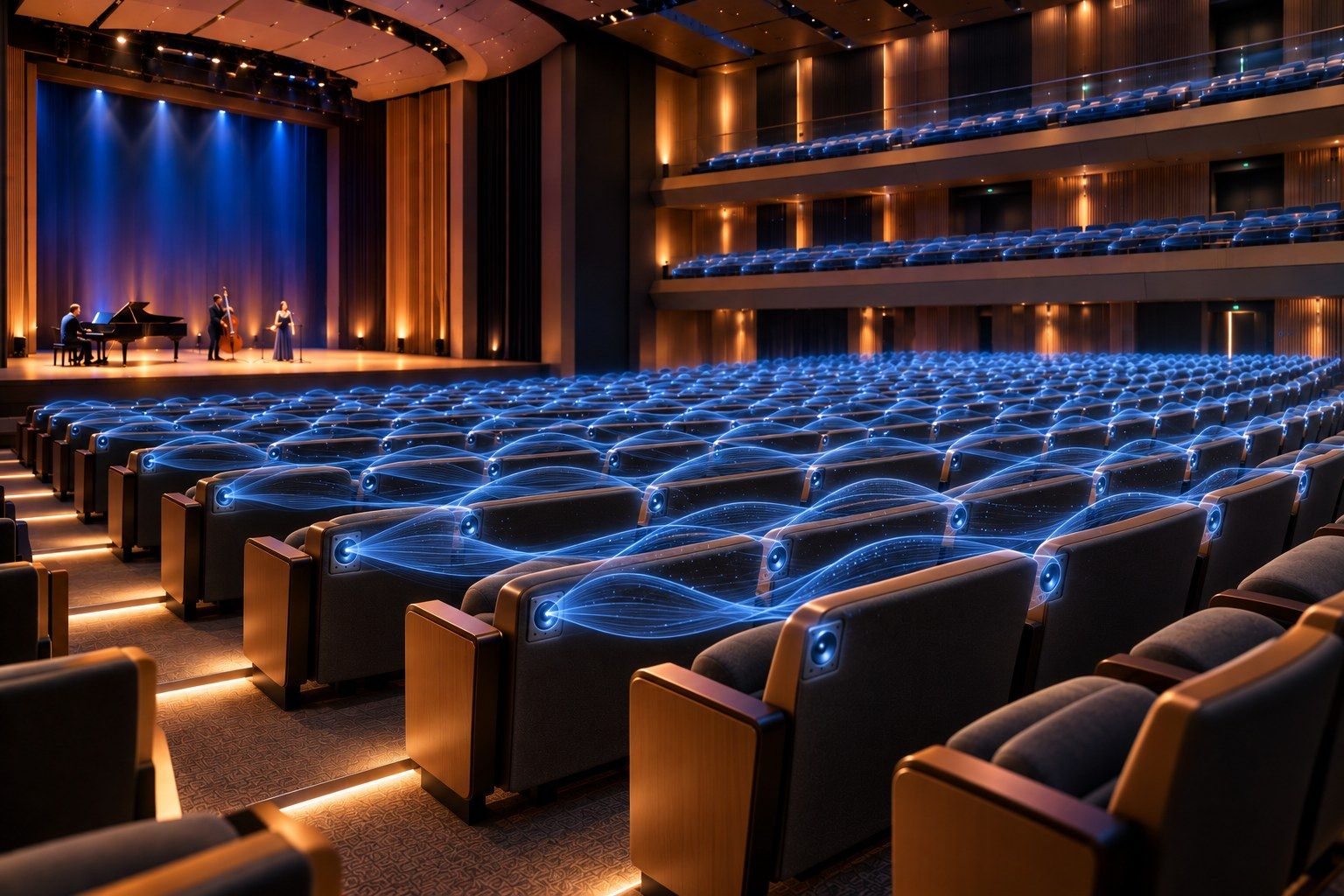
Concert hall seating with sound flowing seat to seat toward the stage

“Under balconies and back rows can’t understand a word.”

Clarity at every seat

In most rooms, sound starts at the stage and is asked to reach everyone. The front rows get too much, the back rows get a faint echo, and only a narrow band of seats hears the show as intended. With VIP, speech and music arrive at each guest in the near field, so the quiet moments carry as well as the epic ones, from the front row to the last balcony seat.

  • Speech that carriesDialogue and spoken word stay intelligible at a comfortable level.
  • No more “bad seats”Balconies and under-balcony rows hear the same show as the center.
  • Anchored to the stageOur proprietary algorithms and processing keep each sound tied to where it starts on stage, so eyes and ears agree.
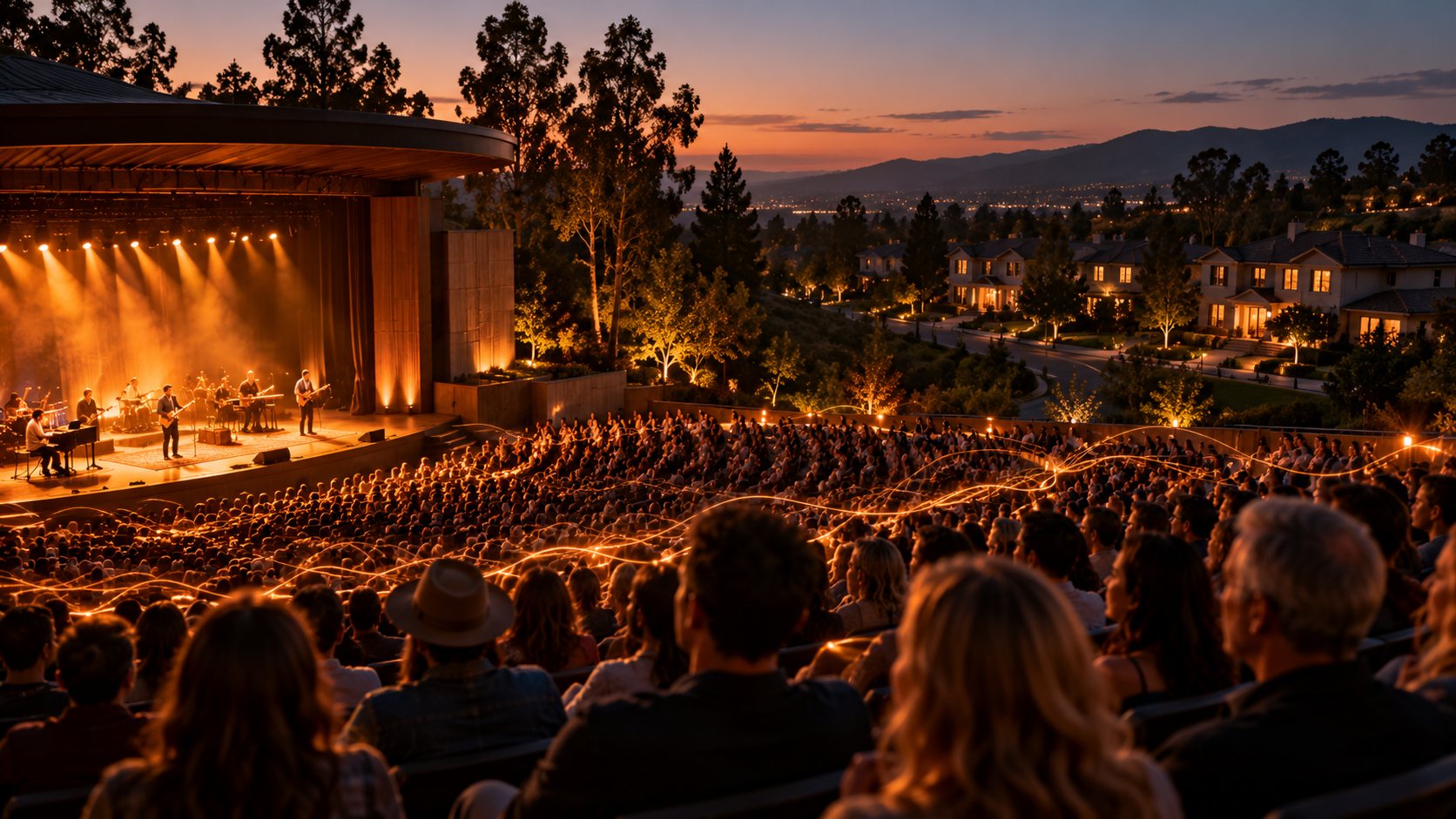
Open-air amphitheater at dusk, the sound staying with the audience while the neighborhood beyond stays quiet

“Our neighbors complain every time there’s a show.”

Loud inside. Quiet outside.

VIP delivers sound energy locally to the audience instead of driving noise levels across wide open spaces, where they can take miles to dissipate. Fans get the full impact, while far less sound spills into parking lots, streets and homes.

  • Curfews and noise limitsHelp for open-air stages, stadiums and venues near residential areas.
  • Mixed-use developmentsEntertainment that can sit next to apartments, hotels and offices.
  • A calmer roomLess stray sound bouncing around means less noise layered over the show.
See how far sound travels
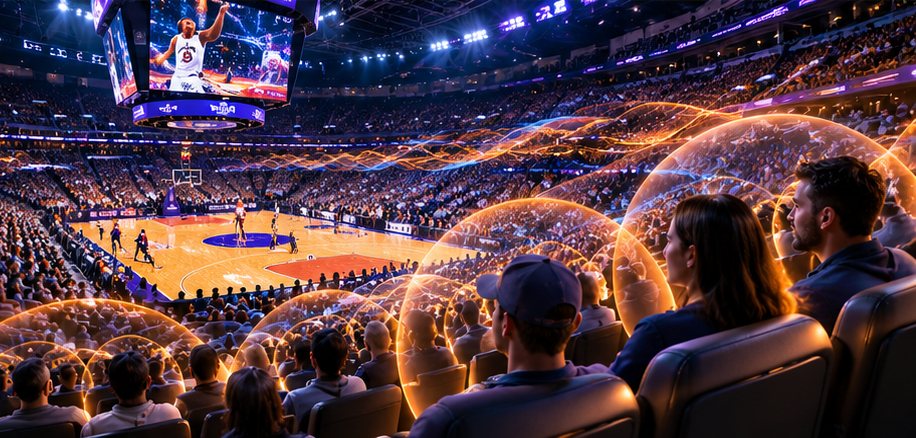
Basketball fans in their arena seats, each with a field of sound, watching a replay on the big screen

In stadiums, picture and sound arrive together

Sound travels about a foot per millisecond. A fan 250 feet from the speakers hears a replay about a quarter-second after seeing it. Delivered at the seat, the big-screen audio lines up with the video.

“Not every guest wants the same experience.”

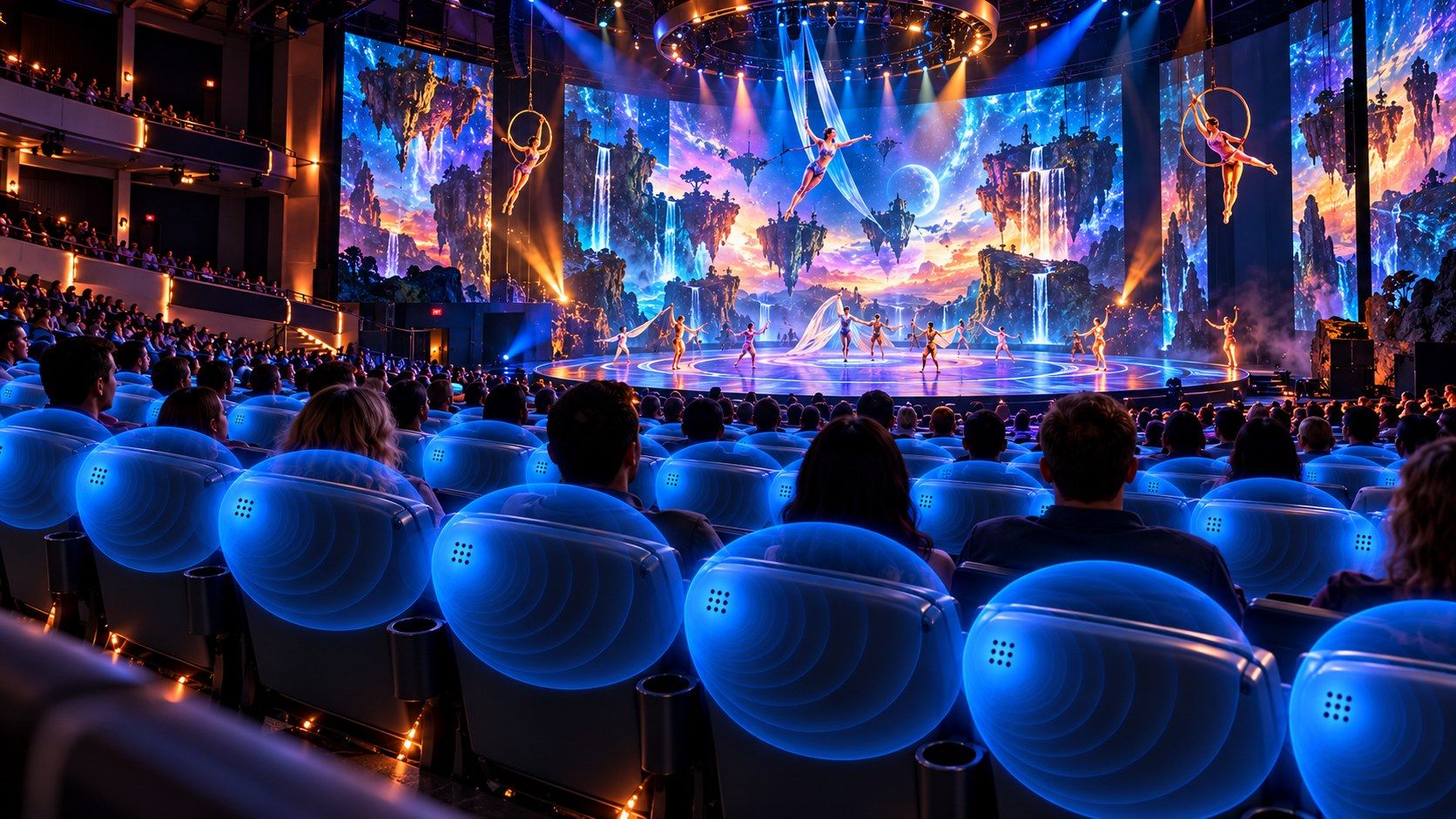
One room. Many experiences.

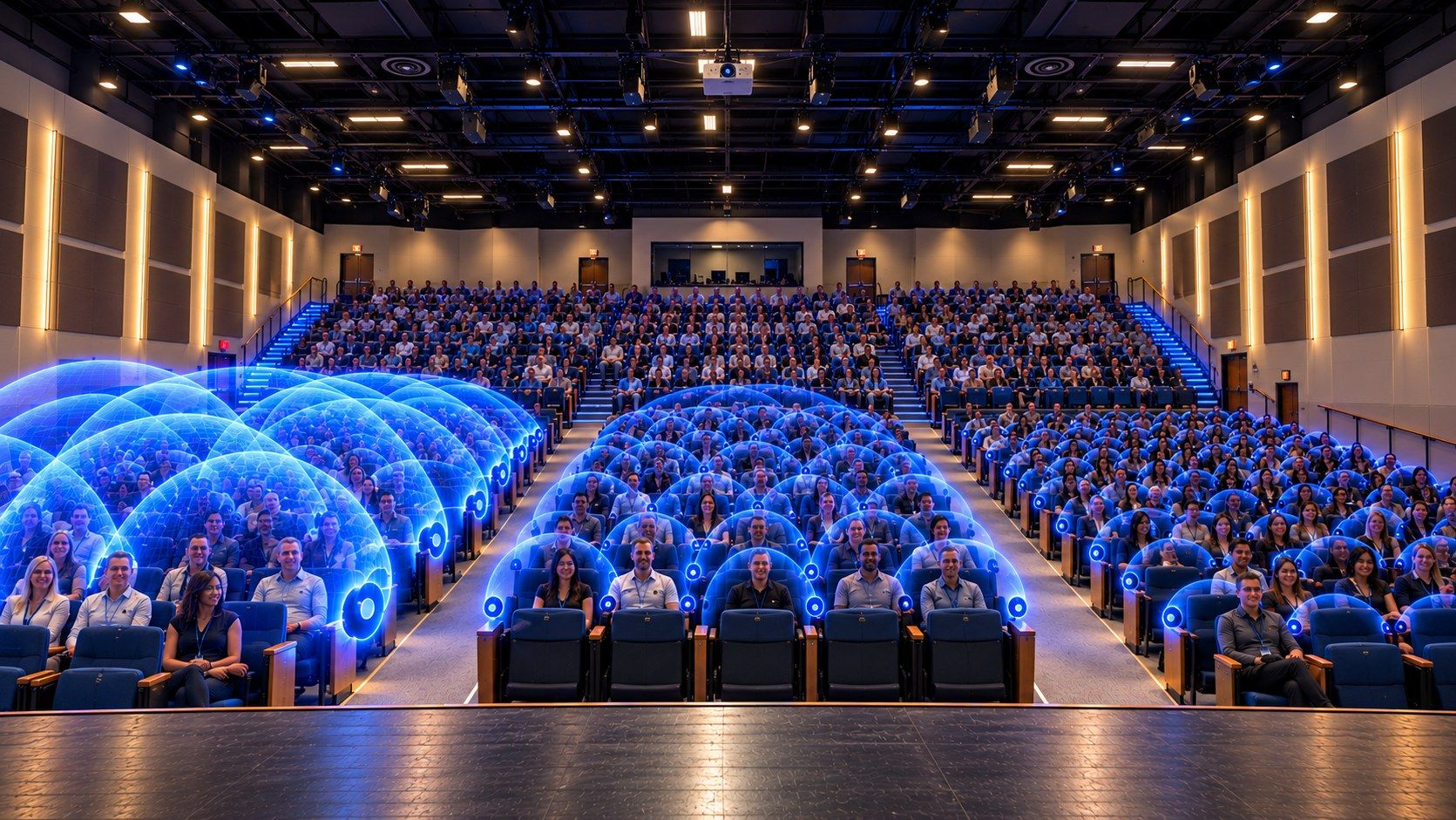
A hanging system gives the whole audience one mix. With VIP, every seat can be addressed on its own, so the room can be divided into zones and each zone gets its own mix. Zones are drawn in software, sized to the venue, and can change from show to show.

STAGE
Zones are set in software and can change show to show.
  1. Map the roomEvery seat, row or section becomes its own addressable point.
  2. Give each zone a mixPremium, hearing-assist, sensory-friendly, language, or anything the show calls for.
  3. Change it any nightA family matinee and an evening concert can use the same room differently.
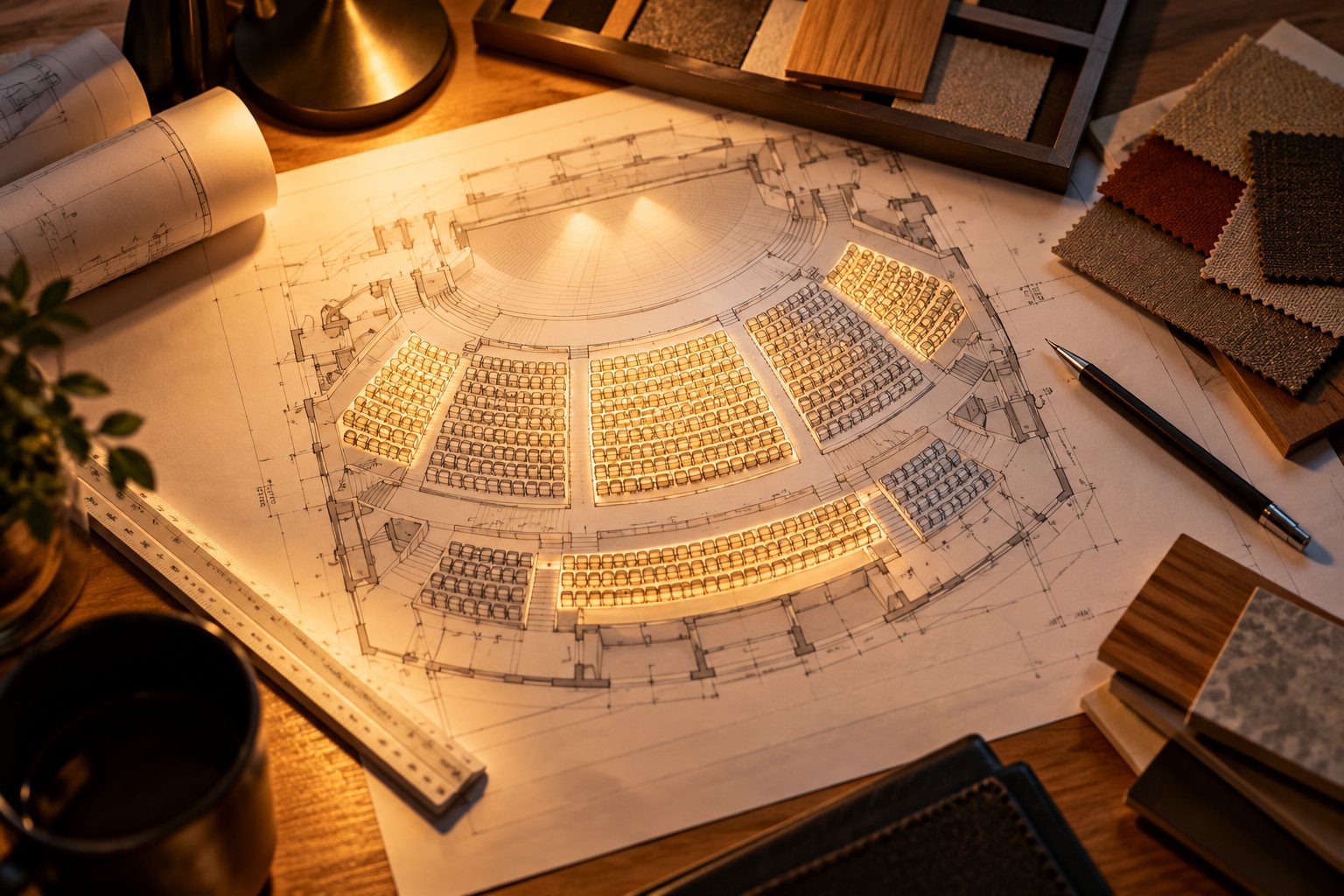
An architect’s seating plan with sound zones marked, surrounded by fabric and finish samples

“The room is beautiful. The sound is not.”

Keep the architecture. Lose the echo.

Stone, glass, domes and high ceilings scatter sound, and the usual fix is hanging speaker clusters in the middle of the design. VIP delivers sound at the listener, so far less of it bounces around the room, and nothing hangs over the space.

For architects and designers
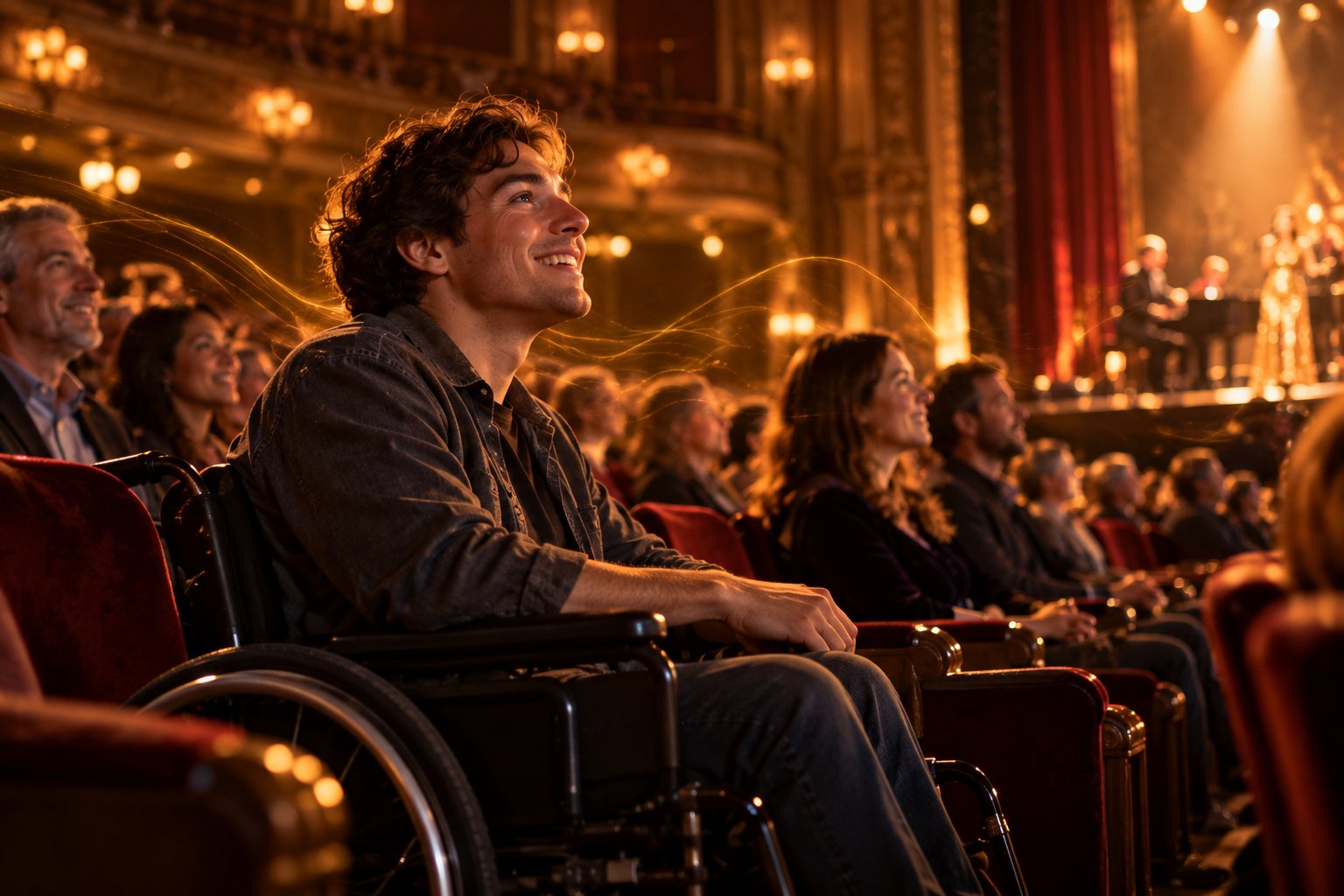
A young man in a wheelchair in a prime theater position, smiling at the stage
A hall divided into zones of sound, each section of seats with its own field
  • Hearing-assistDialogue lifted without raising the room SPL.
  • Normal impactThe full show at its intended level.
  • Sensory-friendlyGentler levels for kids and sound-sensitive guests.

“The only wheelchair spaces were in the very last row.”

Sound for Everyone

Access shouldn’t mean the back row.

Guests with disabilities don’t have equal access to most traditional venues. Accessible seating is often far from the stage, off to the side or at the back, placed where a wheelchair fits rather than where the experience is best.

VIP builds assistive sound by section, so any area designated for disabilities gets the full experience. Venues that solve this issue open their doors to an audience that has waited far too long to take part. Not for the added revenue, but because it’s the right thing to do.

  • Hearing lossDialogue lifted at the seat for guests who need it, without making the room louder for everyone else.
  • Sensory sensitivityCalm, comfortable zones for guests with autism or sound sensitivity, with no sensory overload.
  • MobilityWheelchair positions get the same sound as every other seat, and portable pods serve spaces without a seat.
  • Feel the musicOptional seat haptics let deaf and hard-of-hearing guests feel the performance.

VIP is designed to work alongside the assistive-listening systems venues are required to provide.

No borrowed receivers. No “accessible section.” Just a seat, and the best sound in the house.

Every guest belongs

The full experience shouldn’t be reserved for the center of the room or for guests with typical hearing.

Access without a spotlight

Assistive sound works best when no one has to ask for it, carry it or sit apart to use it.

Community spaces matter

Churches, schools and local theaters are where communities gather. They deserve sound that serves everyone in them.

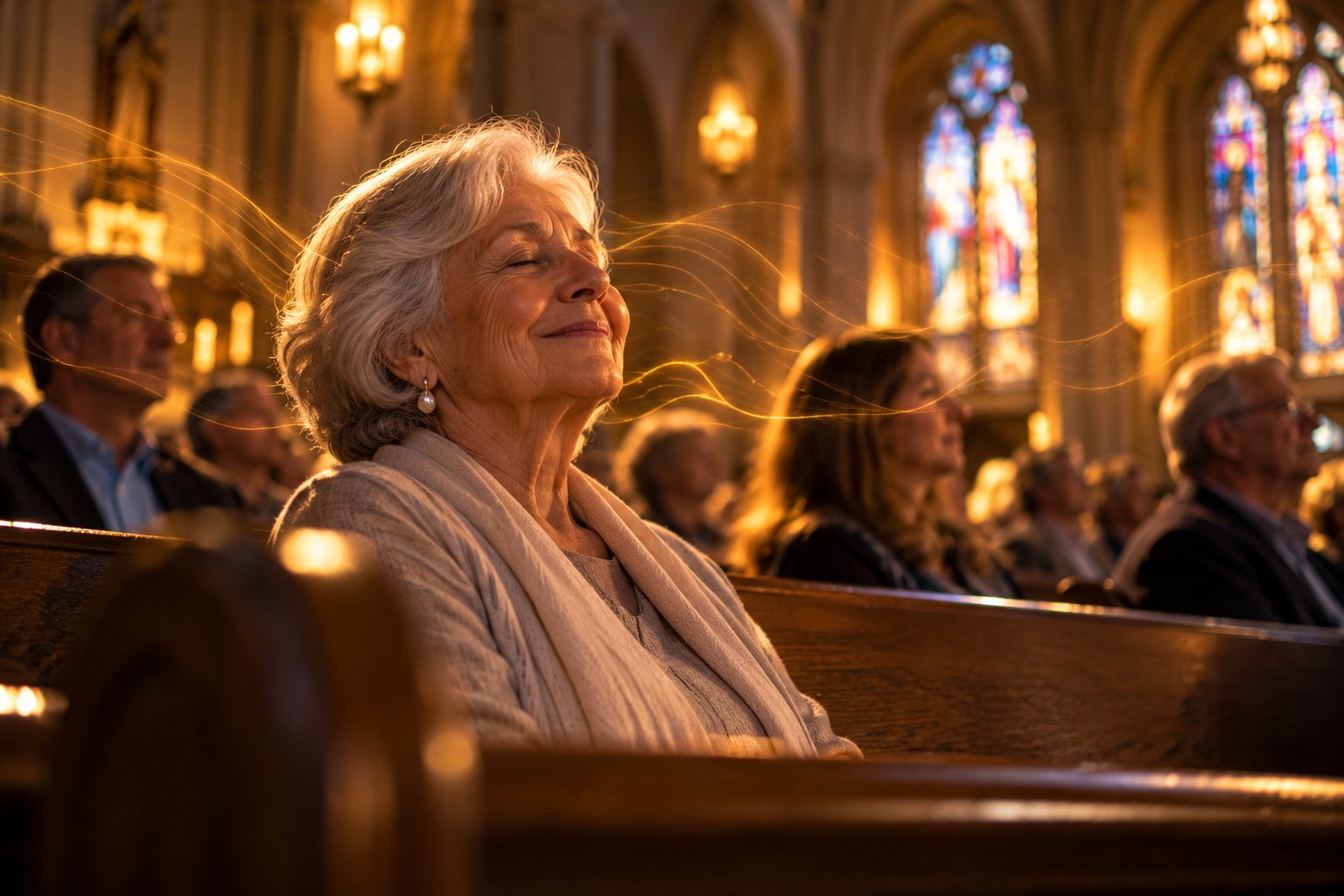
An elderly woman in a church pew, eyes closed, smiling as she hears every word
Faith communities

Helping the message carry.

A sanctuary is built to lift the spirit, and its stone, glass and height often blur the spoken word. VIP helps every member of the congregation hear the sermon, the readings and the music clearly, from the front pew to the back.

  • Every word, every pewClear speech throughout the room, with warm, natural tone for music.
  • Reverence for the spaceNo speaker clusters hung over altars, arches or stained glass.
  • Hearing-assist anywhereOlder members and guests with hearing loss can sit with their families.
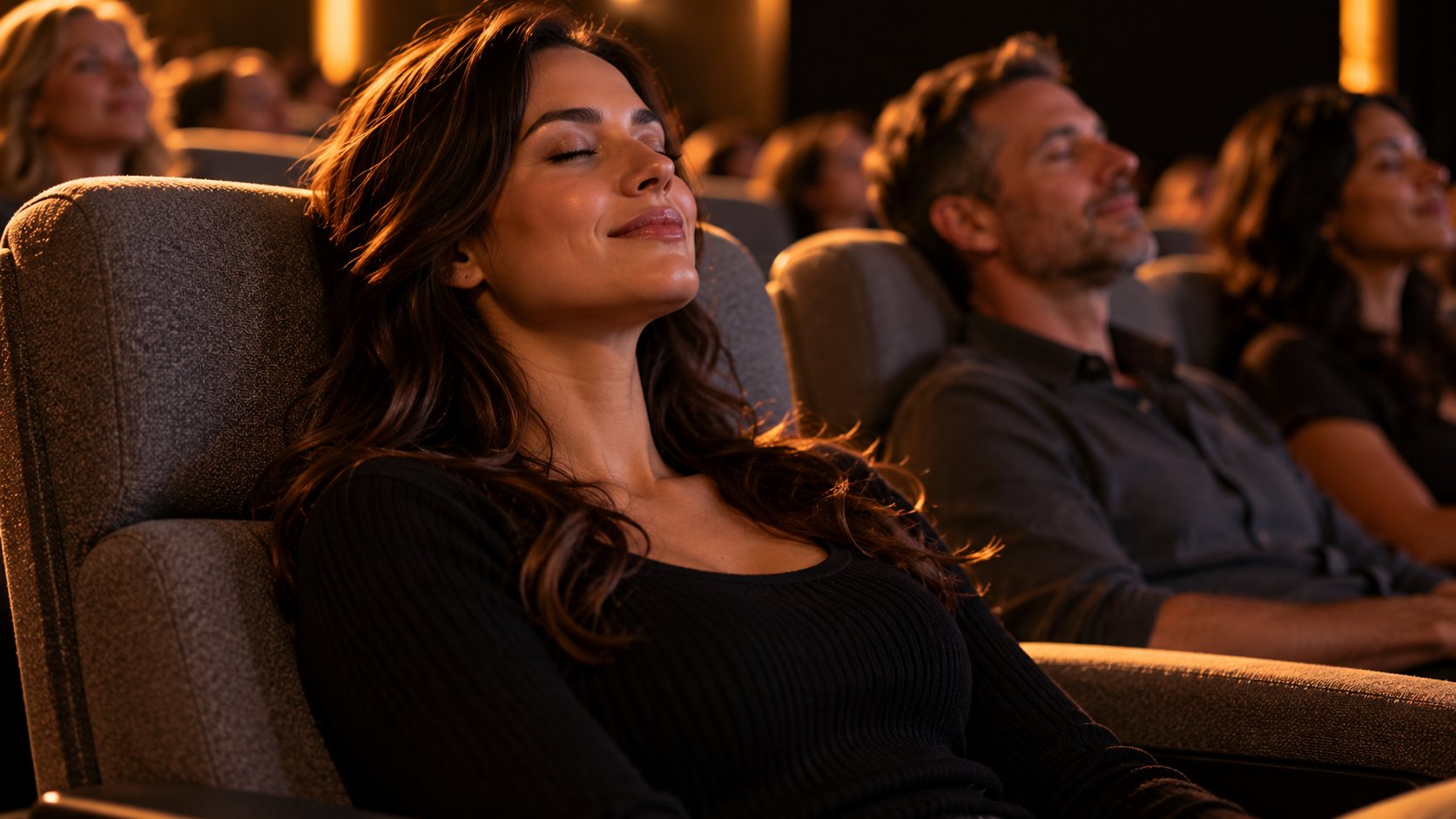
Theater guests settled into their seats, eyes closed, absorbed in the performance

“Every touring show sounds different in our house.”

Your sound, every night

Visiting productions often bring their own systems, but the reviews stay with the venue. VIP gives the house a consistent layer of sound it controls, show after show.

  • Works with what you haveConnects to the house audio feed most venues already run.
  • Tuned onceSet up for the room at commissioning and consistent for every production after.